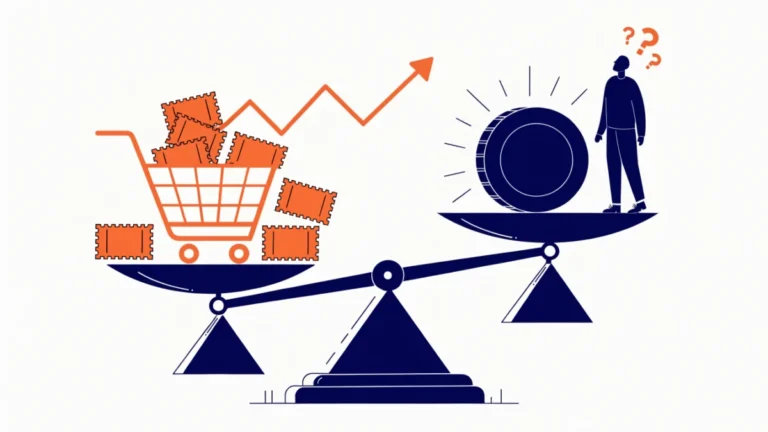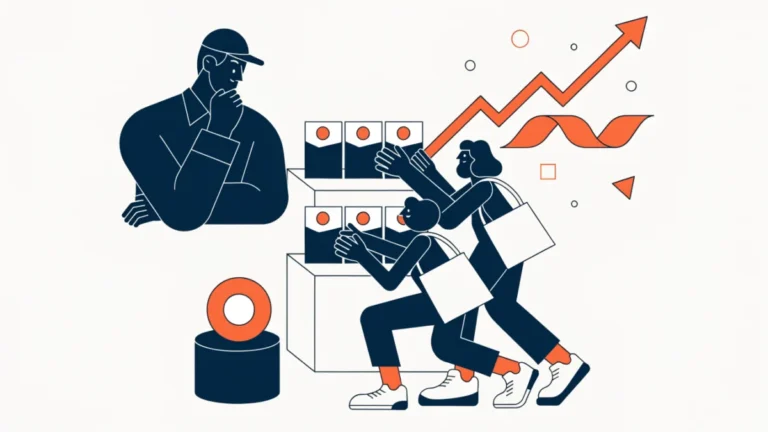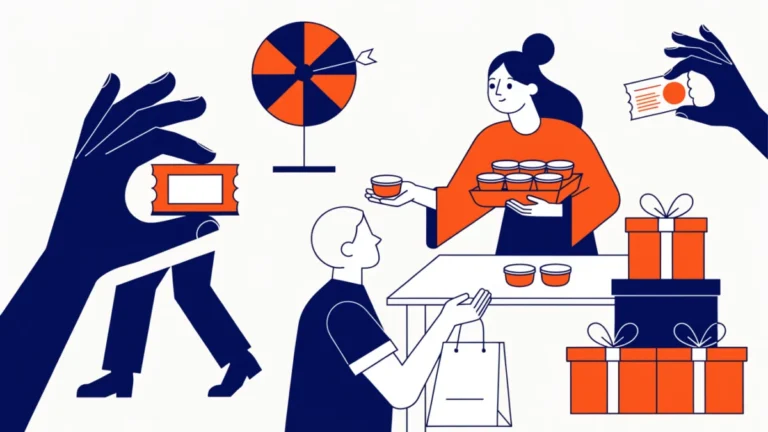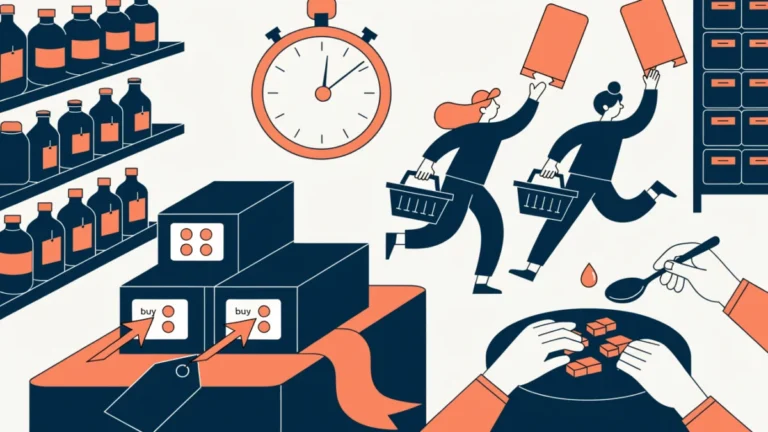
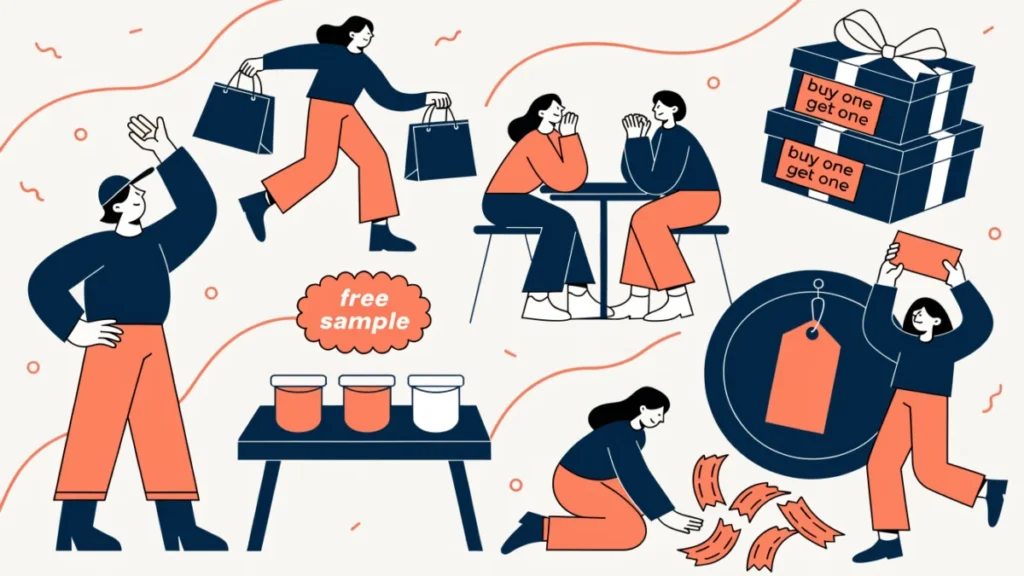
Sales promotion is a set of short-term incentives, such as discounts, samples, coupons, contests and dealer schemes, used to encourage quicker or larger purchases by consumers or the trade. Its objectives are to win trial, raise sales quickly, smooth seasonal dips, retain customers, push dealers to stock more and counter competitors. It matters because it decides purchases at the point of sale, speeds up new product acceptance and clears old stock.
Every October, Flipkart’s Big Billion Days and Amazon’s Great Indian Festival pack weeks of buying into a few days with bank discounts, no-cost EMIs and lightning deals. That is sales promotion at its most visible: a short-term incentive that gives customers a reason to buy now rather than later.
Philip Kotler defines sales promotion as “a collection of incentive tools, mostly short term, designed to stimulate quicker or greater purchase of particular products or services by consumers or the trade”. Advertising gives people a reason to buy; sales promotion gives them a reason to buy today.
Features of Sales Promotion
| Feature | What it means | Example |
|---|---|---|
| Short-term | Runs for a limited period | A 72-hour festive sale |
| Incentive-based | Offers extra value beyond the product | Buy 2 get 1 free on shampoo |
| Aimed at three groups | Consumers, dealers and the sales force | Dealer schemes, sales contests |
| Supplements other promotion | Works alongside advertising and personal selling | A TV ad announcing a scratch-card offer |
| Measurable | Results show up quickly in sales data | Comparing sales during and after the offer |
| Non-recurring | Not a permanent price cut | Festive discount that ends on a set date |
Objectives of Sales Promotion
1. Get New Customers to Try the Product
Free samples and trial packs remove the risk of trying something new. Sachets of shampoo at ₹1 or ₹2 were how FMCG companies first reached rural India.
2. Increase Sales Quickly
Discounts, combo packs and cashback offers lift sales during a set period, often to clear stock or meet a quarterly target.
3. Smooth Out Seasonal Dips
Air-conditioner brands run winter offers and woollen brands run summer clearance sales to keep factories and shops busy in the off-season.
4. Keep the Brand in Customers’ Minds
Loyalty points, contests and free gifts give regular buyers a reason to stay rather than switch.
5. Push Dealers to Stock More
Trade discounts, extra margins on bulk orders and display allowances persuade wholesalers and retailers to carry more stock and give the brand better shelf space.
6. Counter Competitors
When a rival launches a new product, a well-timed offer can hold on to existing customers.
Importance of Sales Promotion
- Closes the gap between producer and buyer. In markets with thousands of competing brands, an in-store offer is often what decides the purchase at the shelf.
- Handles intense competition. When products look alike, an incentive gives a clear reason to pick one.
- Speeds up acceptance of new products. Trial offers shorten the time it takes for a launch to find buyers.
- Supports the sales force and dealers. Contests, bonuses and dealer schemes keep the trade motivated.
- Clears old stock. End-of-season sales free up cash and warehouse space before new models arrive.
- Creates data. Coupon codes and loyalty programmes show which customers respond to which offers.
A Word of Caution
Promotions work best when they are occasional. Run them all the time and customers learn to wait for the next sale, which trains them to see the discounted price as the real one. Our guide to the limitations of sales promotion covers this in more detail.
For the tools themselves, see consumer sales promotion techniques and sales force promotion techniques. For a balanced view, read the advantages and disadvantages of sales promotion.