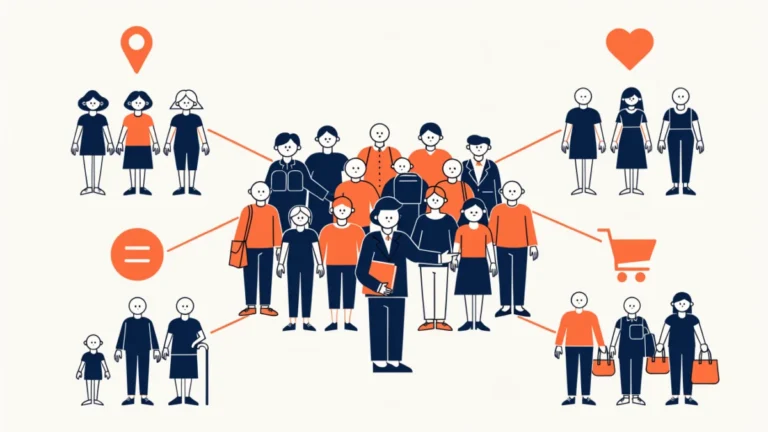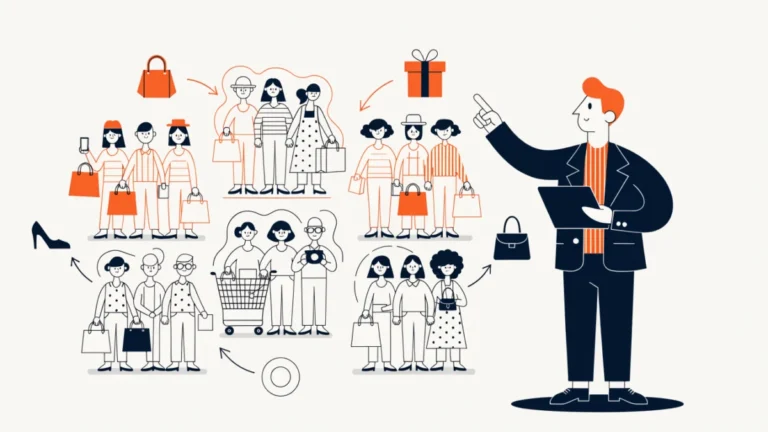

Factors affecting market segmentation include how different customers’ needs are, the nature of the product, market size, measurability, accessibility, profitability of segments, company resources, competition, stage of the product life cycle, availability of data, cost of segmentation and legal and ethical limits.
Segmentation sounds like something every company should do, but how far to take it depends on the situation. A salt brand sells to almost everyone and needs little segmentation. A car company sells hatchbacks, SUVs and luxury sedans to very different buyers and segments heavily. Several factors decide how a firm should divide its market, and whether it should at all.
Below are the main factors. For the ways markets are actually divided, see the bases for market segmentation; for the concept itself, see market segmentation.
12 Factors Affecting Market Segmentation
1. How Different Customers’ Needs Are
The more varied the needs, the more segmentation pays. If everyone wants the same thing, one offer may do.
2. Nature of the Product
Commodities such as sugar need little segmentation; cosmetics, cars and phones need a lot.
3. Size of the Market
A large market can support several profitable segments; a small one may not.
4. Measurability
Segments must be measurable in size and purchasing power, or the firm cannot plan for them.
5. Accessibility
The firm must be able to reach each segment through media and distribution. Rural segments, for example, need different channels.
6. Profitability of Segments
Each segment must be large or valuable enough to justify a separate marketing effort.
7. Company Resources
Smaller firms often focus on one niche; large firms can serve many segments at once.
8. Competition
If rivals have segmented finely, a firm may need to match them or find an underserved niche.
9. Stage of the Product Life Cycle
New products often launch to one segment and add others as the market matures.
10. Availability of Data
Good data on demographics, behaviour and purchases makes finer segmentation possible. Digital platforms now segment down to individual users.
11. Cost of Segmentation
Separate products, packs, ads and channels raise costs, which must be covered by higher sales or prices.
12. Legal and Ethical Limits
Some targeting, such as advertising certain products to children, is restricted by law or industry codes.
Should You Segment? A Quick Check
| Question | If yes |
|---|---|
| Do customer needs differ meaningfully? | Segment |
| Can you measure and reach each group? | Segment |
| Is each group profitable enough? | Segment |
| Do you have resources for separate offers? | Segment more finely |
| Is the product a basic commodity? | Segment lightly or not at all |
Next step: selecting a target market.