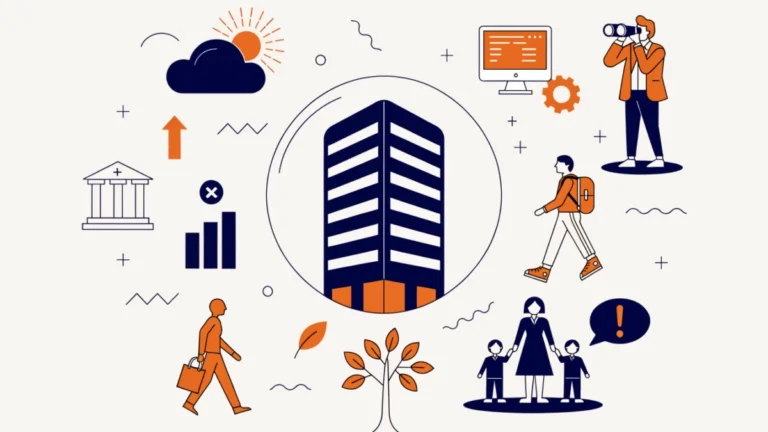
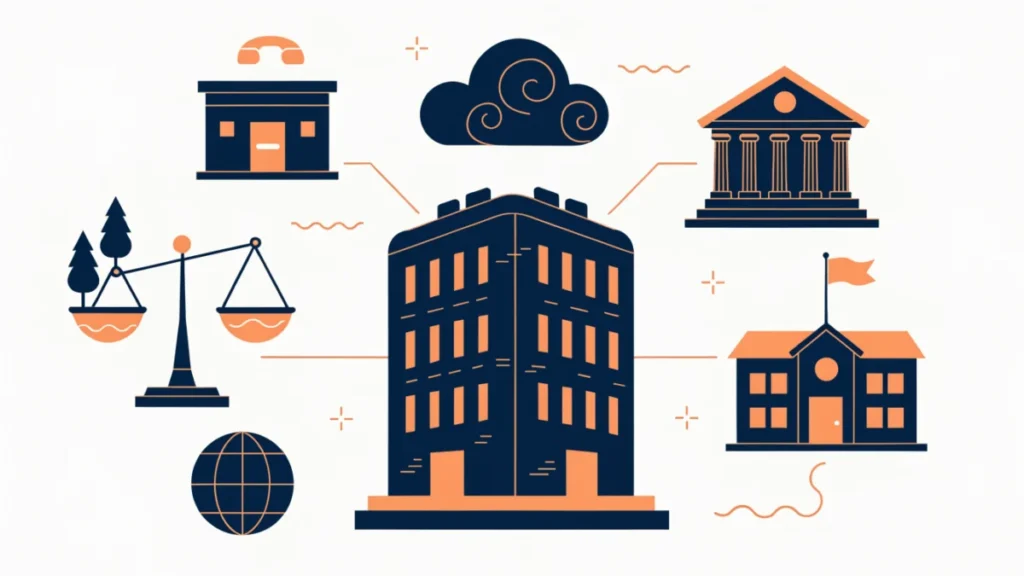
The non-economic environment of business includes the political, legal, social, cultural, demographic, technological, natural (ecological) and international environments. Examples include India’s 85% pictorial tobacco warnings (2016), the single-use plastic ban (2022) and the Digital Personal Data Protection Act (2023).
In 2016, India required pictorial health warnings to cover 85% of the front and back of cigarette packs. In July 2022, it banned a list of single-use plastic items, forcing food and FMCG companies to redesign straws, cutlery and packaging. Neither change came from the economy; both changed how businesses had to operate. These are examples of the non-economic environment of business.
The economic environment covers growth, inflation, interest rates and income. Everything else outside the firm that shapes its decisions falls under the non-economic environment. Here are its main parts. For the full picture, see the factors affecting the business environment.
8 Non-Economic Environments of Business
1. Political Environment
The stability of the government, its ideology and its relations with other countries. Stable politics encourages long-term investment; sudden policy reversals discourage it.
2. Legal Environment
Laws that govern business: company law, contract law, consumer protection, competition law, labour codes, GST and the Digital Personal Data Protection Act, 2023. Compliance shapes costs and what products can be sold.
3. Social Environment
Family structures, education, urbanisation, health and lifestyle trends. Rising health awareness, for example, pushed food companies towards lower-sugar and higher-protein products.
4. Cultural Environment
Values, beliefs, religion, language, festivals and food habits. Brands adapt products and ads to regional culture; McDonald’s India menu has no beef or pork.
5. Demographic Environment
Population size, age, gender ratio, household size and migration. India’s young population drives demand for phones, education and two-wheelers.
6. Technological Environment
New technology creates products, changes production and makes some businesses obsolete. UPI transformed payments within a few years.
7. Natural (Ecological) Environment
Climate, monsoon, natural resources and environmental rules. A weak monsoon cuts rural spending; pollution norms affect factories.
8. International Environment
Trade agreements, foreign policy, sanctions and global events. Geopolitical shocks can raise input costs overnight.
Economic vs Non-Economic Environment
| Point | Economic | Non-economic |
|---|---|---|
| Covers | Growth, inflation, interest, income, economic policy | Political, legal, social, cultural, demographic, technological, natural, international |
| Example | RBI rate hike | Single-use plastic ban (2022) |
| Effect | Costs, demand, finance | Rules, tastes, methods, risks |
Related: political factors affecting business and external environmental analysis.