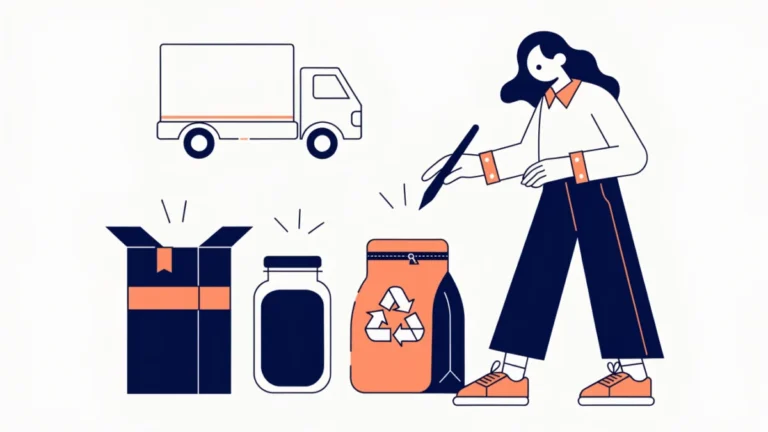
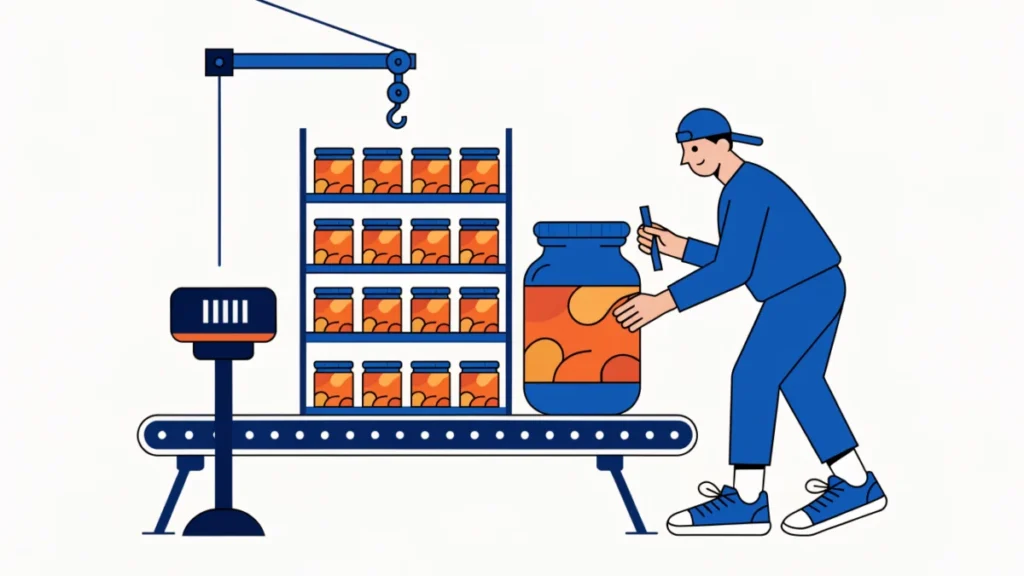
Product labelling strengthens brand identity, meets legal requirements (in India, the Legal Metrology (Packaged Commodities) Rules and FSSAI labelling rules for food), keeps consumers safe with usage and allergen information, sets products apart on the shelf, acts as a low-cost marketing channel, tells the brand story, helps track inventory and batches through barcodes and QR codes, supports export to new markets, communicates sustainability, assures quality and engages customers.
Product labeling is more than just slapping a sticker on your merchandise; it’s a strategic tool that can shape consumer perception, bolster your brand, and ensure regulatory compliance. Whether you are a small start-up or an established conglomerate, understanding the myriad advantages of product labeling can be a game-changer.
Product labeling is a primary means of providing consumers with vital information about a product. This information includes ingredients, usage instructions, nutritional facts, allergen warnings, and expiration dates.
This transparency not only empowers consumers to make informed purchasing decisions but also ensures their safety. For instance, labels on food products allow individuals to identify and avoid allergens, making labels a critical tool for promoting public health.
Product labeling is a complex practice with far-reaching implications for businesses. It goes beyond just placing a sticker on a product; it encompasses consumer safety, brand identity, legal compliance, marketing, and supply chain efficiency.
Businesses that recognize the importance of effective product labeling are better positioned to succeed in competitive markets while building trust and loyalty among their customers.
What are the Advantages of Product Labeling for Your Business?
The following are the benefits of product labeling, shedding light on how it can elevate your business to new heights.
1. Brand Identity Reinforcement
Product labels serve as a canvas for your brand’s visual identity and messaging. They encapsulate your company’s ethos, values, and unique personality in a compact, eye-catching design.
Through consistent use of brand colors, typography, and logos, labels create a visual shorthand that consumers come to recognize and trust.
Effective branding on product labels can trigger an emotional connection with customers, building brand loyalty. For instance, when consumers spot your distinct label on a crowded store shelf, it triggers a sense of familiarity and reliability, increasing the likelihood of purchase.
2. Legal Compliance
In the complex web of regulations governing various industries, product labeling is your shield against legal pitfalls.
Labels are the primary vehicle for conveying vital information such as ingredient lists, allergen warnings, safety instructions, and compliance with regional or international standards.
Failure to meet these legal requirements can result in severe consequences, including hefty fines, product recalls, and even legal action.
Staying abreast of evolving regulations is essential. Labels must evolve in tandem with changes in the legal landscape, ensuring that your products always remain compliant and your business protected.
3. Consumer Safety
Consumer safety is non-negotiable in business. Product labels play an instrumental role in delivering critical information to customers.
From detailing ingredients and nutritional facts to providing allergy warnings and usage instructions, labels empower consumers to make informed choices and use products safely.
An effective label can prevent accidents, allergies, and misuse, thereby safeguarding consumer health and bolstering your brand image for responsibility and reliability.
4. Market Differentiation
In a world inundated with products vying for consumer attention, product labeling is your first and often only chance to make a lasting impression.
Unique, well-designed labels are attention magnets, drawing potential customers to your product amid the clutter.
Distinctive labels, with new graphics, bold typography, or unusual shapes, can set your product apart from competitors. By tapping into consumer psychology and aesthetics, labels can evoke curiosity, trust, and desire, ultimately influencing purchase decisions.
5. Improved Packaging
Beyond their aesthetic role, labels are practical guardians of product integrity. They provide a barrier against environmental factors like light, moisture, and air, helping preserve the freshness and quality of the enclosed product.
This is particularly important for items prone to deterioration, such as perishable goods or sensitive electronics.
Moreover, labels can communicate special handling instructions, ensuring that products reach consumers in optimal condition.
As a result, labels become an integral part of the packaging, contributing to the overall customer experience.
6. Marketing Channel
Product labels are a silent but persuasive sales force. They are a direct channel to communicate your product’s features, benefits, and unique selling points.
Beyond basic product information, labels can convey a sense of quality, heritage, or exclusivity.
Through evocative imagery, concise taglines, and storytelling, labels can tap into consumer desires and aspirations.
A well-executed label can trigger an emotional response, making customers feel a connection to the product and, by extension, your brand.
7. Storytelling
Effective product labeling is more than just listing ingredients or instructions; it’s about telling a compelling story.
Your label can narrate the journey of your brand, the craftsmanship behind your product, or the mission that drives your company. By sharing these narratives, you engage consumers on a deeper level, forging emotional connections and building brand loyalty.
Storytelling through labels adds depth to your brand, making it more relatable and memorable. When consumers feel a personal connection to your story, they are more likely to choose your product over competitors.
8. Inventory Management
Accurate labeling is an unsung hero in inventory management. Labels that clearly identify products, SKU numbers, and batch information facilitate efficient tracking and organization of inventory.

This minimizes errors, prevents stockouts, and reduces excess inventory levels, all of which can have a significant impact on your bottom line.
Furthermore, well-labeled products help warehouse staff quickly locate and pick items, improving order fulfillment speed and accuracy, thereby improving overall customer satisfaction.
9. Global Expansion
For businesses eyeing international markets, multilingual labeling is essential.
A label that communicates product information in various languages not only ensures compliance with local regulations but also demonstrates respect for cultural diversity. It improves your product’s accessibility and appeal to a broader global audience.
Multilingual labels can be particularly advantageous in regions with diverse linguistic populations, opening up new opportunities for growth and market penetration.
Adapting to different languages and cultures through labeling shows your commitment to serving a worldwide customer base.
10. Eco-Friendliness
In an era of heightened environmental consciousness, eco-friendly product labeling can be a powerful marketing tool. Labels made from sustainable materials, featuring recyclable or biodegradable options, showcase your brand’s commitment to environmental responsibility.
Consumers increasingly favor products with eco-friendly packaging, making sustainable labels a valuable component of your marketing strategy.
These labels not only reduce your environmental footprint but also resonate with eco-conscious consumers, potentially boosting sales and brand reputation.
11. Traceability
In today’s global supply chains, traceability matters most. Product labels can incorporate barcodes, QR codes, or RFID technology, enabling precise tracking of products throughout the supply chain. This traceability is invaluable in case of product recalls, quality control, and inventory management.
Efficient traceability not only improves operational transparency but also builds trust with consumers. When they can trace a product’s journey from production to their hands, it reinforces confidence in its safety and authenticity.
12. Customer Engagement
Product labels are no longer static; they can be interactive. QR codes on labels can direct consumers to websites, videos, or augmented reality experiences related to your product.
This engagement not only creates a memorable brand experience but also offers an opportunity to provide additional information, promotions, or user-generated content.
By using labels as a gateway to a richer brand experience, you can deepen customer engagement, build loyalty, and even gather valuable data on customer preferences and behavior.
13. Quality Assurance
Tamper-evident labels and seals on products are critical for ensuring that customers receive products in their intended condition.
These features provide a visible indication if a product has been tampered with or compromised during transit or on the shelf.
For industries where product safety matters most, such as pharmaceuticals and food, tamper-evident labels are not just a regulatory requirement but also a trust-building measure. They reassure consumers that your company prioritizes product freshness and authenticity.
14. Seasonal Adaptability
Some products may undergo seasonal variations or promotions, and labels can adapt accordingly.
Labels designed for easy removal and replacement enable you to switch between different designs or messaging to align with seasonal events, holidays, or marketing campaigns.
This flexibility ensures that your products remain fresh and relevant throughout the year without the need for costly packaging redesigns.